Eco-Friendly Approaches: How E-Waste Recycling Services Are Preserving Our Planet
Electronic waste presents serious dangers to the environment, as discarded electronics often contain toxic materials. These toxic materials have the potential to taint soil and water sources, resulting in widespread environmental harm. E-waste recycling services present a viable solution. They not only recover valuable resources but also mitigate pollution. Gaining insight into how these programs function and affect local communities is critical. Pursuing efficient e-waste management brings forth pressing questions regarding individual duties and shared responsibility. What actions should be considered going forward?
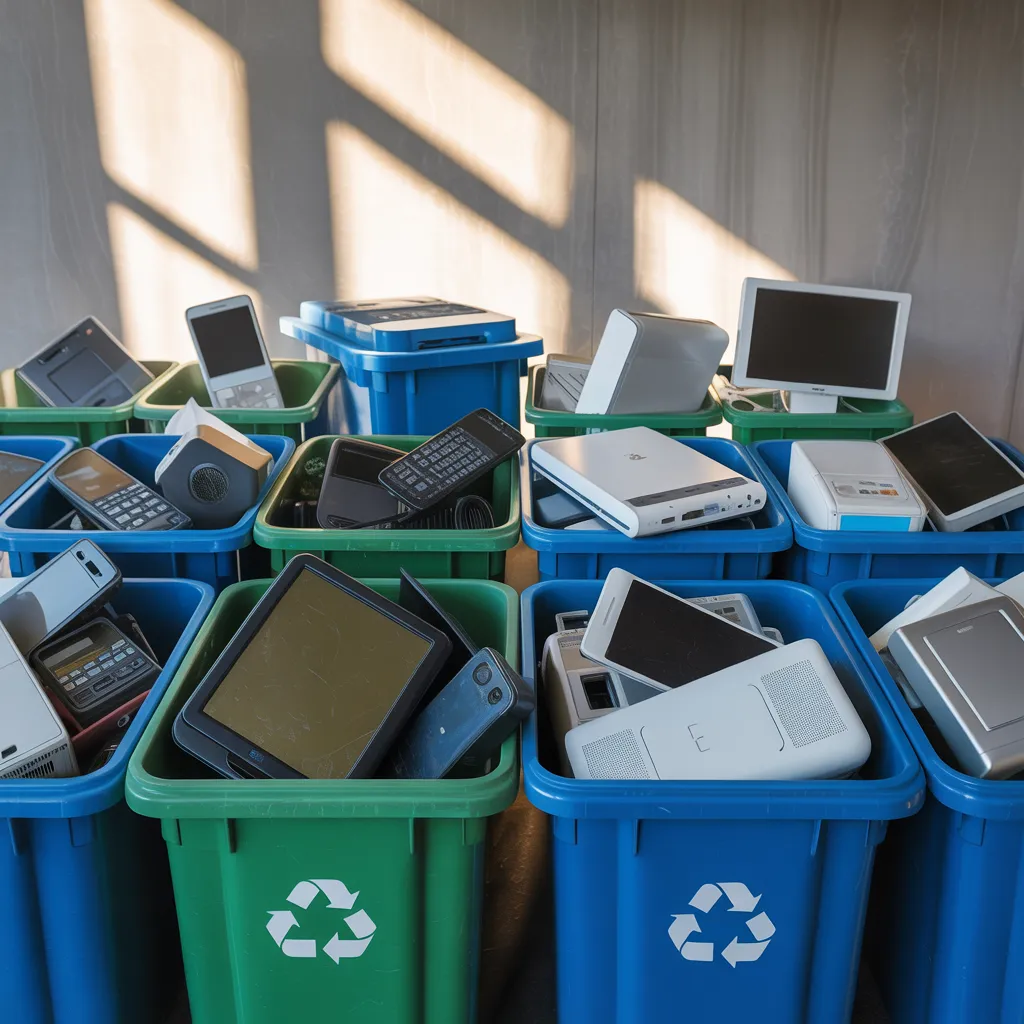
The Reasons E-Waste Is Damaging to the Planet
Even though technology enriches modern life, electronic waste presents serious threats to the environment. Abandoned electronic gadgets, commonly laden with dangerous compounds like cadmium, lead, and mercury, may release harmful substances into soil and groundwater, presenting dangers to human health and ecosystems. The rapid pace of technological advancement contributes to increased consumer turnover of electronics, worsening the buildup of discarded electronic materials.
Landfills, already burdened with waste, struggle to accommodate the growing volumes of discarded gadgets. Burning, an alternative disposal approach, discharges toxic contaminants into the air, worsening overall air quality. Furthermore, inadequate recycling methods can result in the shipment of electronic waste to underdeveloped nations, where workers may break down equipment without proper protective measures, putting themselves at risk of exposure to hazardous materials. This ongoing cycle of carelessness and inadequate management emphasizes the pressing necessity for responsible recycling initiatives that can lessen the harmful consequences of e-waste on our world.
What Is E-Waste and Why Does It Matter?
Electronic waste, commonly known as e-waste, encompasses unwanted electronic equipment like computers, smartphones, and televisions that have reached the end of their useful life. This growing category of waste is significant because of its swift buildup, driven by technological advancements and consumer trends. With an increasing number of devices reaching obsolescence, the ecological consequences become more pronounced, with toxic materials such as lead, mercury, and cadmium threatening both ecosystems and public health.
Addressing e-waste is crucial not only for reducing these dangers but also for acknowledging the precious materials found within it. Precious metals and rare earth elements can be recovered and reused, reducing the need for mining and conserving natural resources. Through a deeper awareness of e-waste and its consequences, both individuals and organizations can make well-informed choices regarding disposal and recycling, thereby supporting a more sustainable future. Proper management of e-waste is essential for fostering a circular economy and promoting environmental stewardship.
How E-Waste Recycling Works
Recycling e-waste involves an organized procedure designed to recover valuable materials while minimizing environmental impact. To begin, e-waste is collected and transported to dedicated processing centers. Upon arrival, the equipment is meticulously organized to isolate dangerous parts from recoverable materials.
Following this, technicians break down the devices, extracting metals, plastics, and glass. This process is vital, as it facilitates the extraction of precious metals like copper, gold, and silver, which may be utilized in new electronic products.
Subsequently, the separated materials are treated through advanced techniques, such as chemical treatments and shredding, to cleanse them for reuse.
In the final step, the leftover hazardous materials are disposed of responsibly, following environmental guidelines. This systematic method not only conserves resources but also mitigates the risks linked to irresponsible electronic waste disposal, guaranteeing a greener future for electronic consumption.
Benefits of E-Waste Recycling for You and Your Community
While many individuals may not realize it, the advantages of e-waste recycling go far beyond individual benefit and actively shape entire communities. By carefully processing electronic waste, individuals contribute to a healthier environment, reducing hazardous materials that can leach into soil and water. This forward-thinking practice works to protect local ecosystems and advances public health.
Moreover, electronic waste recycling supports workforce growth within communities. Regional recycling centers frequently need staff for numerous tasks, from collection to processing, thereby providing employment opportunities within the community. This not only boosts the local economy but also inspires community dedication to sustainable efforts.
Additionally, awareness of e-waste recycling is capable of inspiring community outreach programs, empowering residents to embrace sustainable practices. By taking part in e-waste recycling programs, individuals promote a culture of sustainability, encouraging others to follow suit. In summary, the combined impact of these actions can result in a more strong and environmentally aware community.
A Guide to Selecting an E-Waste Recycling Service
Picking the most suitable e-waste recycling service is essential for making sure that electronic waste is handled with responsibility and sustainability. First, people should check the service's certifications, such as R2 and e-Stewards certifications, which indicate conformance to established benchmarks for secure waste disposal procedures. Additionally, it is advisable to evaluate the company's reputation by checking reviews and seeking referrals from reliable sources.
Furthermore, transparency in the recycling process is vital. A dependable provider should supply straightforward details about how e-waste is processed and what becomes of the materials. Furthermore, evaluating the range of services offered can be beneficial; some companies may provide pickup services or offer incentives for recycling.
Furthermore, familiarizing yourself with regional rules concerning e-waste disposal can further guide the choice of disposal method. By prioritizing these factors, individuals can contribute to efficient electronic waste handling alongside encouraging eco-friendly habits.
How You Can Take Part in E-Waste Recycling?
Engaging in e-waste recycling can start at the local level, where recycling centers often provide essential services for safe disposal. Furthermore, participating in community awareness campaigns can strengthen efforts to raise awareness about the importance of ethical e-waste practices. These initiatives not only encourage sustainable practices but also cultivate a collective sense of accountability for the environment.
Regional Recycling Centers
A wide range of neighborhood recycling stations play an essential role in electronic waste recycling, providing communities with accessible options to manage electronic waste appropriately. These stations receive a wide array of digital devices, including old computers, smartphones, and televisions, making certain that hazardous materials are managed safely. Many hubs feature experienced team members who are able to assist individuals with correct disposal techniques, highlighting the value of recycling rather than landfilling. Furthermore, several stations organize scheduled drop-off occasions or specific collection dates, allowing residents to take part with ease. By engaging with these local facilities, residents support a circular economy, minimizing ecological impact and fostering sustainable behaviors. Working alongside these hubs empowers communities to take action against e-waste pollution effectively.
Community Outreach Campaigns
Community groups, educational institutions, and companies can work together to organize events that support e-waste collection drives. Community members can serve a critical function in spreading awareness, distributing educational materials, and engaging with the community. As a result of these combined actions, community members grow more knowledgeable and inspired to dispose of their electronics responsibly, ultimately contributing to a more sustainable future.
Questions We Often Receive
What Types of Electronics Can Be Recycled?
Many different electronics may be recycled, including laptops, televisions, smartphones, printers, computers, and gaming consoles. Moreover, ancillary devices such as See details batteries, keyboards, and mice are equally appropriate for recycling, supporting efforts to conserve the environment.
Is There a Cost Associated With E-Waste Recycling?
Yes, e-waste recycling may involve charges, subject to the service provider. Certain providers apply costs for collection or processing, while others make services available at no charge, typically funded by the sale of reclaimed components.
What Are the Benefits of E-Waste Recycling for Businesses?
Businesses can benefit from e-waste recycling by reducing disposal costs, strengthening their ecological standing, adhering to regulatory requirements, reclaiming useful materials, and creating potential earnings via resale, thus supporting a greener and more sustainable operational framework.
What Happens to Data on Recycled Devices?
Data regarding refurbished equipment is frequently permanently erased or obliterated throughout the recycling process. This ensures sensitive information remains secure, blocking unwanted intrusion while enabling materials to be reused carefully and ethically within new applications.
Is It Possible to Recycle Damaged Electronics?
Absolutely, defective electronics may be recycled. Several centers receive damaged devices, providing safe disposal and recovery of useful materials. It helps lower environmental impact while supporting responsible recycling practices to manage electronic waste efficiently.